
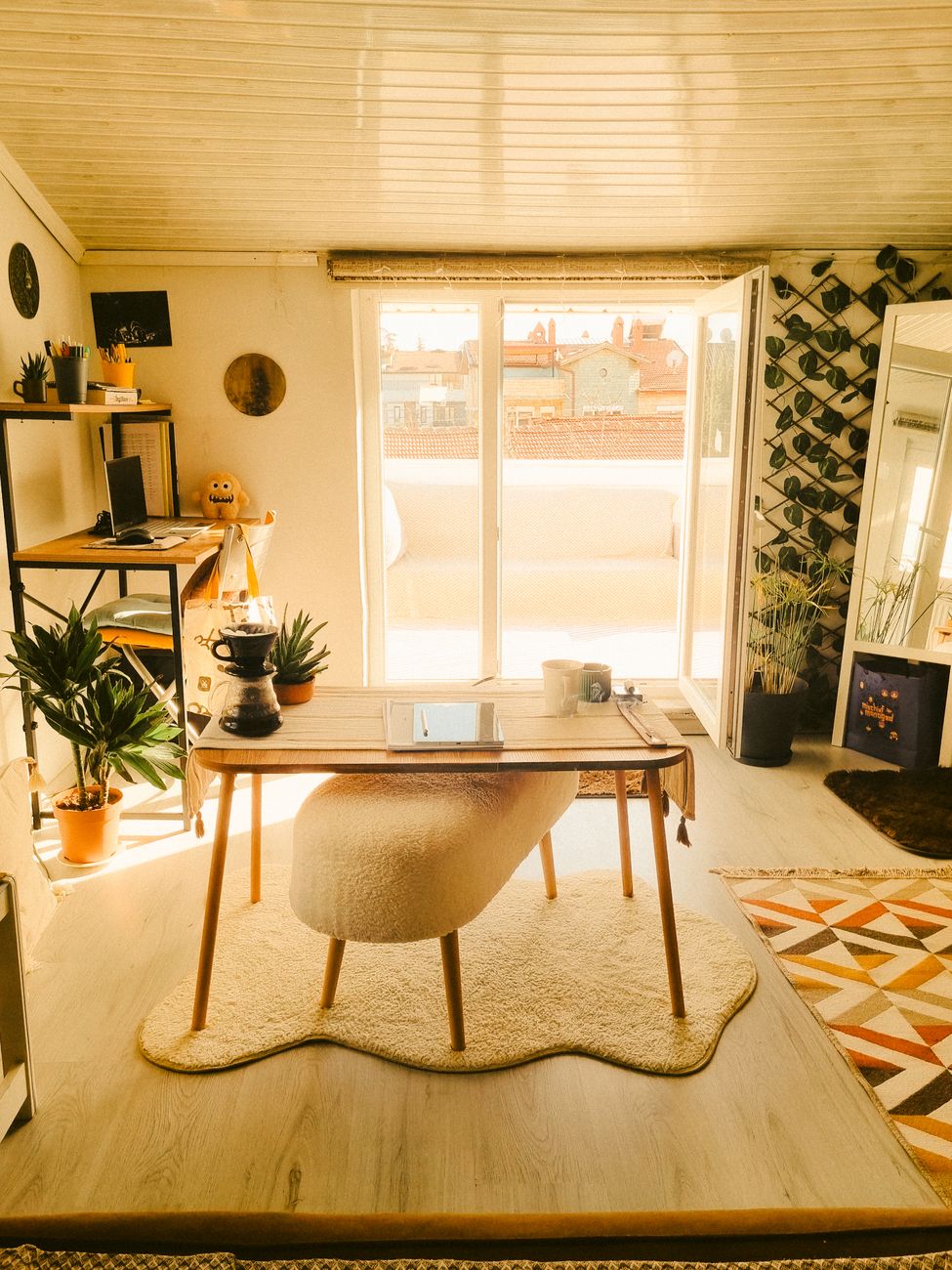
Before You Buy Another Bin: Create a Workspace That Works for You
Your workspace should make your day easier, not add to your stress.
Whether you work from a home office, manage household paperwork at the kitchen table, or juggle projects in a shared family space, your environment affects how smoothly your day unfolds. When papers pile up, supplies disappear, and everyday essentials are buried beneath things you rarely use, even simple tasks can feel harder than they need to be.
The goal isn’t a picture-perfect desk or a collection of matching containers. It’s a workspace that feels uncluttered, seamless, and easy to navigate—where you can find what you need, put it away without thinking, and focus on the work in front of you.
And creating that kind of space doesn’t necessarily mean buying more stuff.
Start With What’s Getting in Your Way
Before shopping for bins, baskets, drawer organizers, or desk accessories, take a moment to notice what isn’t working.
Are important papers getting lost in piles? Do you spend time searching for pens, chargers, or notebooks? Is your desk crowded with items that belong somewhere else? Are you holding on to supplies you no longer use?
These everyday frustrations offer useful clues. Instead of trying to organize everything at once, identify the things that interrupt your routine most often. A few small changes in the right places can make a meaningful difference.
Clear the Space Before You Contain It
It’s tempting to start with containers. They promise a quick fix: put everything in a bin, tuck it away, and enjoy a tidier-looking room.
But containers can only do so much if you’re storing things you don’t need or haven’t decided where to keep.
Start by clearing one area, such as your desktop, a drawer, or a shelf. Take everything out so you can see what you have. Set aside items that belong elsewhere, let go of supplies you no longer use, and group similar things together.
This simple step helps you understand what actually needs a home. It also prevents you from spending money organizing items that are taking up valuable space without serving a purpose.
Give Everything a Home
A workspace runs more smoothly when you don’t have to think too hard about where things belong.
Keep the items you use every day within easy reach. Store things you use occasionally in a nearby drawer or cabinet. Move reference materials, backup supplies, and rarely used equipment out of your primary work area.
Think about your natural habits, too. If you tend to jot notes throughout the day, create an accessible home for your notebook and pens. If paperwork tends to accumulate, establish a simple place for documents that need attention—and a routine for processing them.
The best system isn’t the most elaborate one. It’s the one that makes it easy to find what you need and just as easy to put it back.
Let Containers Support the System
Once you know what you’re keeping and where you want it to live, containers can help bring everything together.
A small tray might keep frequently used items from spreading across your desk. A drawer divider can separate chargers, pens, and other supplies. A file holder can keep active paperwork upright and visible. A labeled box can make backup materials easier to locate.
But not everything needs a container. Sometimes the simplest solution is an empty drawer, a clear shelf, or fewer things on your desk.
Before buying anything new, look around your home or office. You may already have baskets, boxes, or organizers that can do the job. If you do need to purchase something, choose it based on the space you have and the items you need to store—not simply because it looks appealing.
The container should fit the system, not the other way around.
Make It Easy to Maintain
An organized workspace shouldn’t require constant effort to keep it that way.
Choose solutions that work with your habits, not against them. If you need to see something to remember it exists, avoid hiding it in an opaque container. If you’re unlikely to put something away in a complicated filing system, simplify the process. If a drawer is difficult to access, it probably isn’t the right home for an item you use all day.
Build in a few small habits: return supplies to their designated spots, clear your primary work surface at the end of the day, and take a few minutes each week to deal with papers or items that have accumulated.
The aim isn’t perfection. It’s making it easier to reset your space and get back to work.
A Workspace That Gives You Room to Think
When your workspace is uncluttered and thoughtfully arranged, you spend less time looking for things, moving piles around, and managing visual distractions. You can settle into your work more easily because your environment is helping you rather than getting in your way.
You don’t need a complete office makeover to get there. Start with one drawer, one surface, or one recurring frustration. Clear what you don’t need, give the remaining items a practical home, and add containers only where they genuinely help.
At San Isidro Decluttering & Home Organization, we help create practical, sustainable spaces that make everyday life feel more manageable. Whether you’re setting up a home office, rethinking a crowded workspace, or simply tired of searching for things, we can help you build a system that works for you.
Because an organized workspace isn’t about having more storage. It’s about making room for a smoother, less stressful day

